

FMCG
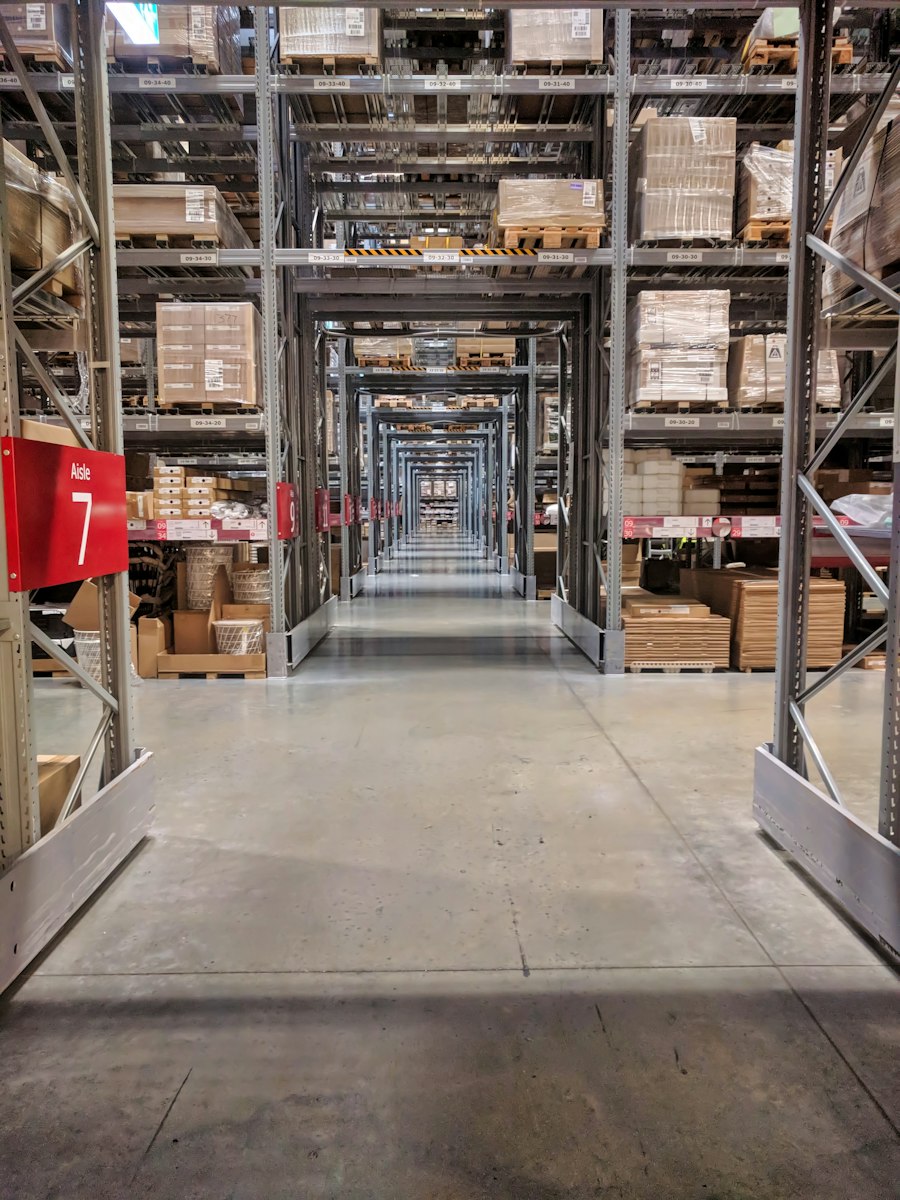
High-frequency multi-drop distribution, warehousing through our operations network, and peak-season surge capacity — keeping FMCG supply chains moving across India.
[ The Logistics Challenge ]
[ Supply Chain Journey ]
How FMCG Cargo Moves
[ Solutions We Deploy ]
How We Serve FMCG
[ What We Move ]
Cargo Types
- Packaged Food Products
- Beverages
- Personal Care and FMCG
- Household Products
- Dairy and Chilled Products
- Health and Nutrition
- Confectionery
- Frozen Foods
[ FMCG Logistics — FAQ ]
Frequently Asked Questions
FMCG logistics covers the distribution, warehousing, and supply chain management of fast-moving consumer goods — packaged foods, beverages, personal care, household products, dairy, confectionery, and frozen foods. It requires high-frequency multi-drop distribution, TMS-tracked movements with ePOD at every delivery point, peak-season surge capacity, and cold chain for temperature-sensitive categories.
Temperature-sensitive FMCG, including chilled and frozen products, is handled at the appropriate product-specific setting. Available bands are −25°C to −15°C, −8°C to −2°C, 2°C to 8°C and 15°C to 25°C. The band is agreed with the client before movement.
Multi-drop distribution is the planned delivery of FMCG products to multiple outlets — modern trade stores, general trade outlets, and distributors — from a single truck movement across a city or district. Yoginiy Transport's multi-drop service optimises routing to minimise dwell time at each stop and captures ePOD at every delivery point for outlet-level proof of delivery.
Yes. Yoginiy Transport's distribution infrastructure is built for high-frequency operations — managing routes with 20+ drop points, TMS-tracked movements, and ePOD on every delivery. The warehousing support through our operations network supports fast replenishment cycles across primary FMCG consumption markets.
Yes. FTL (Full Truckload) is available for primary distribution from plant to CF&A across India on high-volume lanes. LCL (Shared-Load Road Freight) is available for consolidated regional runs where a full truck is not required. Both services are TMS-tracked with ePOD.
Yes. Yoginiy Transport operates warehousing at our pan-India operations network near primary FMCG consumption markets, integrated with TMS for inventory visibility. This supports both primary distribution staging from plant to CF&A and secondary distribution onwards to retail and distributor networks.
Temperature-sensitive FMCG, including chilled and frozen products, is handled at the appropriate product-specific setting. Available bands are −25°C to −15°C, −8°C to −2°C, 2°C to 8°C and 15°C to 25°C. The band is agreed with the client before movement.
Temperature-sensitive FMCG, including chilled and frozen products, is handled at the appropriate product-specific setting. Available bands are −25°C to −15°C, −8°C to −2°C, 2°C to 8°C and 15°C to 25°C. The band is agreed with the client before movement.
Yes. Peak-season surge capacity planning is part of the FMCG distribution service. Festive seasons create demand spikes that can exceed standard fleet availability — Yoginiy Transport supports surge planning in advance so that shelf presence is maintained at the highest-volume periods. Requirements for peak-season capacity should be discussed before the season begins.
Use the FMCG Distribution Quote button on this page or contact info@yoginiy.com directly. Please include your distribution network description, primary routes, volume, drop-point count, any cold chain requirements, and peak-season dates if relevant. A logistics specialist will respond within 24 hours.
[ Ready to Talk? ]